Kiln, MS · Hancock County
Rapid Structural Drying in Kiln, MSSubfloor Drying & Crawl Space Drying
Rapid Structural Drying in Kiln involves emergency structural drying, wall cavity drying, and flood drying services from restoration pros.
Answered 24/7
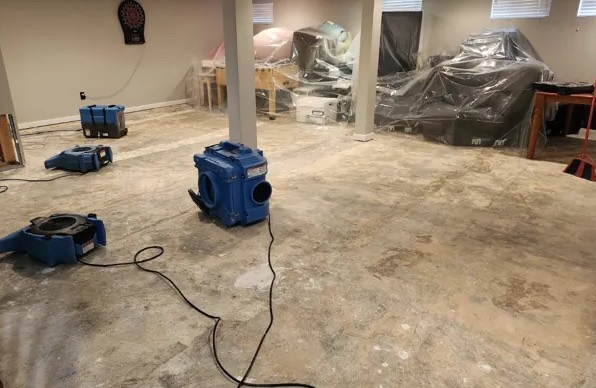
Expert Rapid Structural Drying for Kiln Properties
Wall cavities act as hidden reservoirs for water after a leak. Insulation and framing inside walls hold moisture long after surface water is gone.
Residential structural drying in Kiln focuses on protecting family homes from water-related deterioration. Local moisture removal experts perform flood drying services and moisture mapping services as part of a full response. Coverage includes areas around Diamondhead, Bay St. Louis and Waveland for convenient access.
Advanced Rapid Structural Drying Processes
Subfloor Drying
A soaked subfloor is a priority for structural drying. The process involves moisture mapping to determine the extent of saturation.
Crawl Space Drying
Damp crawl spaces promote wood rot, mold, and musty odors. Drying addresses standing water and high humidity with extraction, ventilation, and industrial dehumidification to create a dry, stable environment.
Emergency Structural Drying
The priority after water damage is rapid drying. Powerful drying systems are then activated to aggressively remove water vapor and protect the building's integrity.
Concrete Slab Drying
Concrete slabs retain moisture long after surface water is gone, leading to efflorescence and flooring adhesive failure.
Structural Dehumidification
The core of rapid structural drying is aggressive dehumidification. Using low-grain refrigerant (LGR) or desiccant units, pros control the environment to halt secondary damage.
When to Consider Rapid Structural Drying in Kiln
Condensation Inside Window Frames
Excessive condensation can lead to wall cavity moisture and rot, a common issue addressed by the pros.
Warped or Bubbling Floorboards
Hardwood floors that buckle or cup have taken on moisture from below, usually from a wet subfloor.
Soggy or Spongy Drywall
Drywall that feels soft to the touch has absorbed a lot of water and needs drying right away.
Squeaking or Soft Floor Areas
Unusual noises or soft spots when walking indicate compromised subflooring from water damage that needs assessment.
How Rapid Structural Drying Works in Kiln
Step 1: Site Evaluation for Hidden Moisture
The service starts with a thorough evaluation using probes and sensors to locate all hidden moisture within wall cavities, subfloors, and concrete slabs.
Step 2: Deployment of Industrial Drying Systems
Commercial dehumidifiers and air movers are set up to pull water out of dense materials like hardwood and framing.
Step 3: Active Wall and Subfloor Drying Cycle
An active drying cycle begins, with equipment running continuously to evaporate and extract moisture, focusing on wall cavity and subfloor drying.
Step 4: Assurance of Complete Moisture Removal
Before concluding, pros verify complete moisture removal with final checks, ensuring the structure is protected from future mold or rot issues.
Events That Lead to Rapid Structural Drying
Appliance Malfunctions and Leaks
Faulty water heaters, washing machines, or dishwashers can leak slowly, causing hidden damage in walls and floors over time.
Overflowing Sinks or Bathtubs
A bathroom overflow can send water under flooring and into wall cavities, where it stays hidden.
Landscaping or Grading Problems
Improper yard slope can direct water toward a foundation, leading to persistent dampness in slabs and crawl spaces.
Clogged Gutters and Downspouts
When gutters overflow, water pools against the foundation and can seep into crawl spaces, slabs and lower walls.
Rapid Structural Drying for All Property Types in Kiln
Residential Rapid Structural Drying
Homes have drywall and hardwood that can often be saved if dried quickly. Pros dry wall cavities in place to avoid tearing out finishes.
Commercial Rapid Structural Drying
In commercial settings, structural drying addresses complex building systems. The experts handle large open spaces, server rooms, and retail floors, using structural dehumidification to meet strict dryness standards for safety and reopening.
Professional Rapid Structural Drying vs. DIY Methods
You can use a wet-dry vacuum to remove standing water from hard surface floors. Be sure to document the damage with photos for your insurance claim.
Pricing Considerations for Rapid Structural Drying in Kiln
In Kiln, the cost of structural drying depends on the water source, the size of the wet area and how much equipment is needed.
Required Drying Equipment
The number and type of industrial air movers, dehumidifiers, and moisture meters deployed for structural moisture removal influence operational costs.
Project Duration
The total time needed for complete structural dehumidification and achieving dry standards affects the overall labor and equipment rental period.
Secondary Damage Prevention
Efforts to prevent mold growth during the drying process, such as applying antimicrobials, can be a factor in the service cost.
Does Insurance Cover Rapid Structural Drying?
Coverage for rapid structural drying depends on the insurance policy and the cause of loss. The homeowner should submit this documentation to their insurer, as coverage decisions belong solely to the insurer.
The Importance of Expert Rapid Structural Drying
Detailed Documentation for Claims
Comprehensive logs of moisture readings and photos are taken to document the damage for insurance purposes.
Thorough Process Verification
Drying is monitored until moisture levels in materials meet standard dry criteria before equipment is removed.
Prevention of Mold Growth
Rapid drying helps control humidity levels, creating an environment less conducive to mold development after water intrusion.
Emergency Structural Drying Response
The first 24 to 48 hours after a leak matter most for drying. If you have standing water or soaked walls, call (251) 316-6819 to start drying.
Call Now (251) 316-6819Rapid Structural Drying Near Kiln: Areas Served
Across Kiln and nearby communities, the pros map moisture and dry structures for homes and businesses in Kiln, Diamondhead, Bay St. Louis and Waveland.
- Rapid Structural Drying in Diamondhead
- Rapid Structural Drying in Bay St. Louis
- Rapid Structural Drying in Waveland
- Rapid Structural Drying in Pass Christian
- Rapid Structural Drying in Pearlington
- Rapid Structural Drying in Picayune
- Rapid Structural Drying in Long Beach
- Rapid Structural Drying in Saucier
- Emergency Damage Restoration in 39556
- Storm Damage Restoration in 39556
- Water Damage Restoration in 39556
- Water Extraction Service in 39556
- Water Leak Detection in 39556
- Water Removal Service in 39556
Common Queries About Structural Drying
Why is wall cavity drying important after a leak?
Water trapped inside wall cavities can lead to hidden mold, wood rot, and compromised insulation.
What happens if wall cavity drying is delayed?
Delayed wall cavity drying allows moisture to promote mold growth inside walls, degrade insulation, and potentially weaken drywall or wooden studs, leading to more extensive and invasive repairs.
What are moisture mapping services?
Moisture mapping services involve using meters and sensors to create a visual record of moisture levels throughout a structure, guiding the drying process and verifying when materials are dry.
How do pros know when structural drying is complete?
The pros use moisture meters to compare readings in affected materials to known dry standards in unaffected areas, ensuring moisture levels are acceptable before concluding the job.
How long does concrete slab drying typically take?
Concrete slab drying time varies with thickness and saturation but often takes several days, as dense concrete releases moisture slowly, requiring sustained use of industrial dehumidifiers and air circulation.