State Line, MS · Wayne County
Truck-Mounted Water Extraction in State Line, MSStanding Water Removal & Water Damage Mitigation
Local water extraction pros handle Truck-Mounted Water Extraction in State Line for truck mounted water removal, emergency water extraction services and standing water removal.
Answered 24/7
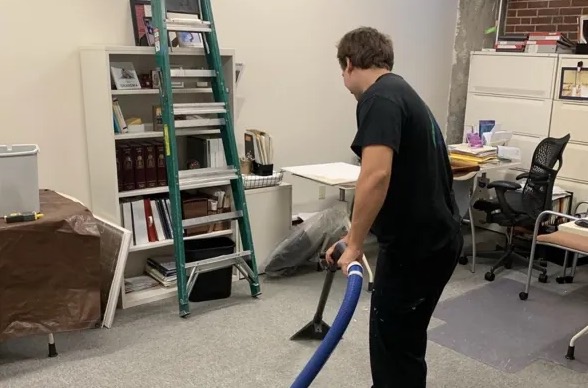
Truck-Mounted Water Extraction Response in State Line, Mississippi
In residential homes, water from a ruptured water heater or overflowing sink can spread quickly across multiple rooms. Emergency water extraction prevents this widespread contamination and confines the damage, limiting the area that requires drying and repair.
In State Line, when water builds up faster than small pumps can move it, local water damage pros switch to truck-mounted extraction, here and in Yellow Pine, Fruitdale and Chatom.
Truck-Mounted Water Extraction and Related Services in State Line
Standing Water Removal
Standing water keeps soaking into materials, so it is removed first. The pros in State Line pump out the visible water before extraction and drying.
Water Damage Mitigation
The work starts with an inspection to map moisture, then extraction, then drying, so you know what to expect.
Commercial Water Damage Cleanup
For stores and offices in State Line, large wet areas often need truck-mounted extraction, followed by industrial air movers.
High Volume Water Extraction
For major water intrusion in State Line, the pros remove the bulk water so it does not wick up into the walls.
Emergency Water Extraction Services
Emergency water extraction services focus on water removal in State Line. Pros use industrial-grade equipment to extract water from affected rooms.
Indicators You Need Professional Water Extraction
High Humidity and Condensation
High indoor humidity and window condensation after a leak can mean the area never fully dried.
Saturated Wall Insulation
Wet insulation inside walls stops working and can lead to rot in the framing.
Buckled or Warped Hardwood Floors
Warping floorboards mean water has soaked into the floor from below or above.
Water Seeping From Walls
Water seeping through walls or damp baseboards points to a major leak.
How Truck-Mounted Water Extraction Works in State Line
Step 1: Standing Water Removal
The process begins with the urgent removal of all visible standing water using high-capacity truck-mounted pumps to prevent further absorption and damage.
Step 2: Deep Water Extraction From Materials
The experts use powerful wands and extractors to pull embedded water from carpets, upholstery, and porous building materials.
Step 3: Structural Drying and Dehumidification
Strategic placement of industrial air movers and dehumidifiers creates airflow to dry wall cavities, subfloors, and other structural elements thoroughly.
Step 4: Complete Water Mitigation Reporting
Pros prepare a report with moisture readings and photos from before and after for your insurance claim.
What Causes Flooding Needing Truck-Mounted Water Extraction in State Line
Severe Weather and Storm Flooding
Heavy rain or flash floods can overwhelm drainage and push water inside.
HVAC System Condensation Issues
Clogged AC condensate drains can overflow onto floors and into ceilings below.
Roof Leaks From Damaged Shingles
Missing shingles or compromised flashing allow water to penetrate the attic and walls, leading to hidden damage over time.
Sewage Backups and Drain Clogs
Blocked main sewer lines or septic system failures can force contaminated water back into a property, a serious health hazard.
Residential and Commercial Truck-Mounted Water Extraction in State Line
Residential Truck-Mounted Water Extraction
Residential water damage often involves saturated carpets, soaked furniture, and wet drywall that require professional wet carpet drying and structural drying to restore a safe, healthy living environment for your family.
Commercial Truck-Mounted Water Extraction
Commercial properties face risks like slippery floors, electrical hazards, and data loss. Professional water mitigation follows industry-standard methods to ensure a thorough, safe recovery for tenants and customers.
DIY Water Removal Limits in State Line
You can use towels to blot small puddles on non-porous surfaces like tile. Avoid using a household vacuum on water, as it is unsafe. For any standing water over a large area or on absorbent materials, professional standing water removal is necessary to prevent damage.
Factors Influencing Truck-Mounted Water Extraction Price in State Line
When evaluating truck-mounted water extraction cost factors in State Line, consider the square footage of flooding and the type of flooring involved.
Category of Water
Clean water from a broken pipe costs less to extract than contaminated gray water or black water.
Type of Materials Damaged
Porous materials like carpet and drywall may require specialized extraction and drying techniques. Non-porous surfaces are generally simpler and faster to address.
Affected Square Footage
The size of the flooded area directly impacts the scope of work. Larger spaces require more equipment and labor for thorough water extraction and drying.
Does Insurance Cover Truck-Mounted Water Extraction?
Coverage depends on your policy. The pros document the flooding and the work done. Talk with your adjuster about your deductible and limits.
The Value of Local Truck-Mounted Water Extraction in State Line, Mississippi
Detailed Documentation for Claims
Thorough documentation of the damage and the mitigation process is provided to support your communication with your insurance provider.
IICRC-Standard Drying Methods
Following industry-standard protocols ensures materials are dried correctly to prevent hidden moisture and secondary damage within walls and subfloors.
Powerful Truck-Mounted Extraction
Industrial-grade pumps rapidly remove vast volumes of standing water, far exceeding the capacity of portable equipment used in smaller water damage events.
Always-Available Emergency Truck-Mounted Water Extraction in State Line
For truck-mounted water extraction in State Line after a burst pipe or major leak, contact the pros for help. Call (251) 316-6819 now for 24/7 emergency water removal to start mitigating damage to your property.
Call Now (251) 316-6819Truck-Mounted Water Extraction Near State Line: Areas Served
For homes and businesses in State Line, truck-mounted systems provide the power needed for fast water removal. The pros also serve surrounding communities including Yellow Pine, Fruitdale and Chatom.
- Truck-Mounted Water Extraction in Yellow Pine
- Truck-Mounted Water Extraction in Fruitdale
- Truck-Mounted Water Extraction in Chatom
- Truck-Mounted Water Extraction in Vinegar Bend
- Truck-Mounted Water Extraction in Tibbie
- Truck-Mounted Water Extraction in Deer Park
- Truck-Mounted Water Extraction in Leakesville
- Truck-Mounted Water Extraction in Waynesboro
- Emergency Damage Restoration in 39362
- Storm Damage Restoration in 39362
- Water Damage Restoration in 39362
- Water Extraction Service in 39362
- Water Leak Detection in 39362
- Water Removal Service in 39362
Frequently Asked Questions About Truck-Mounted Water Extraction
How fast can emergency water extraction begin?
The pros offer a 24/7 emergency response. Upon your call, they respond day or night to your property in State Line to assess and begin the water damage mitigation process.
What's the difference from portable water extraction?
Truck-mounted units offer exponentially more suction power and water storage capacity, making them essential for severe flooding, while portable units are for smaller, contained water losses.
What's involved in commercial water damage cleanup?
Pros assess the area, use truck-mounted or industrial extractors to remove standing water and set up drying to limit business interruption.
Can truck-mounted systems handle contaminated water?
Yes, truck-mounted equipment is designed to safely extract Category 2 and 3 contaminated water, which requires specific handling and disposal procedures as part of the overall flood cleanup.
Why is fast water removal so important?
Fast water removal limits the extent of structural saturation, reduces drying time, and is the most effective way to prevent mold growth and other secondary damage following a flood.