State Line, MS · Wayne County
Sewage Cleanup & Disinfection in State Line, MSContaminated Surface Disinfection & Emergency Sewage Cleanup
In State Line, sewage cleanup & disinfection covers sewage spill cleanup, sewage odor removal and sewage damage restoration.
Answered 24/7
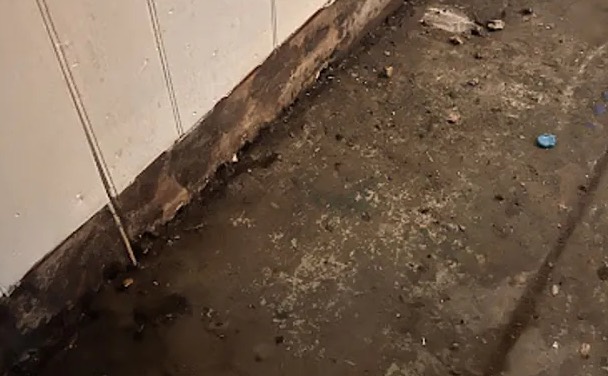
Sewage Cleanup & Disinfection Services for State Line Homes
Sewage carries bacteria and viruses, so cleanup in State Line follows stricter steps than a clean water leak. Local sewage damage pros check how far it spread before work starts.
Sewage cleanup in State Line and communities like Yellow Pine, Fruitdale and Chatom means dealing with contaminated black water and lingering odors. The pros clean up sewage spills and clear the sewer line cleanout when needed.
Sewage Cleanup & Disinfection Solutions Available in State Line
Contaminated Surface Disinfection
Disinfecting surfaces after sewage contact is a non-negotiable step. The pros clean surfaces to remove organic matter before applying disinfectants.
Emergency Sewage Cleanup
A sewage backup is a health risk that should be handled promptly. Calls to the pros are answered 24/7 to arrange containment and cleanup.
Sewage Backup Cleanup
A sewage backup requires professional remediation. The pros extract contaminated water and sanitize surfaces.
Black Water Extraction
Professional black water extraction tackles the most hazardous part of a sewage disaster. The pros prioritize removing pathogen-filled water from floors and drains.
Sewage Damage Restoration
The restoration phase repairs physical damage from sewage. The pros in State Line handle tasks like replacing subfloors or repainting walls.
Warning Signs You Need Sewage Cleanup & Disinfection in State Line
Black Water in Bathroom
Toilets overflowing with black water containing human waste are a serious health hazard that needs extraction.
Gurgling Drains and Toilets
Drains that gurgle or toilets that bubble signal a partial sewer line blockage. This often precedes a full backup.
Sewage Backup After Heavy Rain
Sewage backing up during storms often means the city sewer is overloaded and pushing water back toward the house.
Sewage in Yard or Street
Sewage pooling in your yard or at the street cleanout means a line break, and the area still needs disinfecting.
How Sewage Cleanup & Disinfection Works in State Line
Step 1: Safety Setup and Sewage Evaluation
The pros establish a safe work zone with personal protective equipment. They evaluate the type of sewage and extent of damage to plan the precise cleanup approach.
Step 2: Aggressive Contaminated Water Cleanup
Industrial-grade extraction removes all pooled and absorbed contaminated water from the property. This step significantly reduces the hazard level and prepares surfaces for deep cleaning.
Step 3: Residual Sewage Odor Neutralization
After physical removal, specialized treatments and air scrubbing tackle embedded sewage odor removal. This eliminates the smell at the molecular level, not just masking it with perfumes.
Step 4: Restoration Documentation and Handoff
The pros document the completed sewage damage restoration with photos and dryness reports. This information is provided to the homeowner to share with the insurer for the claim.
What Causes Sewage Damage in State Line Homes
Sewage Ejector Pump Malfunction
Homes with below-grade bathrooms rely on an ejector pump to lift waste. If this pump fails, it can cause a black water removal emergency.
Main Sewer Line Blockage
Tree roots, grease, or flushed debris can clog the main line from your home to the street. This blockage causes sewage to back up into your lowest drains.
Faulty or Damaged Plumbing Vents
Blocked roof vents prevent air from entering drain pipes, creating a vacuum that can siphon water from traps. This can lead to slow drainage and backups.
Broken or Collapsed Sewer Pipe
Aging clay pipes, ground shifting, or corrosion can cause pipes to crack or collapse. This break allows raw sewage to leak into the ground or your home.
Residential and Commercial Sewage Cleanup & Disinfection in State Line
Residential Sewage Cleanup & Disinfection
A toilet overflow can quickly contaminate a bathroom and adjacent bedroom carpet. The experts remove the hazardous water and affected materials like padding.
Commercial Sewage Cleanup & Disinfection
Office building restroom failures can affect multiple floors via plumbing stacks. Sewage cleanup services address the spill source and extract water from hallways.
Professional Sewage Cleanup vs. Doing It Yourself in State Line
Document the damage by taking photos and videos from a safe distance at the doorway. Write down a timeline of when the problem was first noticed and any actions taken.
What Affects Sewage Cleanup & Disinfection Pricing in State Line
Sewage spill cleanup pricing in State Line is shaped by the contamination level and the scope of surface disinfection required. The accessibility of the spill area and the porosity of affected materials are evaluated.
Odor Removal Intensity
Persistent sewage odors may require specialized air scrubbing and sealing techniques to achieve complete odor elimination.
Post-Cleanup Disinfection
Disinfecting every contaminated surface is required for health reasons and appears as its own line item.
Severity of Contamination
The category of black water determines the necessary safety protocols and intensity of the sewage disinfection services required.
Does Insurance Cover Sewage Cleanup & Disinfection?
Insurance for sewage damage restoration hinges on the backup source defined in the policy. The pros in State Line provide detailed documentation to support a claim.
Advantages of Local Sewage Cleanup & Disinfection Experts in State Line, MS
Safe Waste Disposal
Contaminated materials are safely removed and disposed of according to local regulations for biohazard waste.
Detailed Damage Documentation
Photos and moisture readings are taken to accurately record the damage for your reference and insurance needs.
Structural Drying Protocols
Industrial air movers and dehumidifiers dry affected structures to prevent mold after the initial sewage backup cleanup.
Always-On Emergency Sewage Cleanup & Disinfection in State Line, Mississippi
A sewer line cleanout emergency can flood your property with hazardous waste. For a local emergency sewage cleanup response in State Line, call (251) 316-6819.
Call Now (251) 316-6819Sewage Cleanup & Disinfection Availability in State Line and Surrounding Towns
When a sewage emergency strikes in State Line, effective black water removal and sanitization are non-negotiable. Their service area extends to surrounding communities including Yellow Pine, Fruitdale and Chatom for comprehensive coverage.
- Sewage Cleanup & Disinfection in Yellow Pine
- Sewage Cleanup & Disinfection in Fruitdale
- Sewage Cleanup & Disinfection in Chatom
- Sewage Cleanup & Disinfection in Vinegar Bend
- Sewage Cleanup & Disinfection in Tibbie
- Sewage Cleanup & Disinfection in Deer Park
- Sewage Cleanup & Disinfection in Leakesville
- Sewage Cleanup & Disinfection in Waynesboro
- Emergency Damage Restoration in 39362
- Storm Damage Restoration in 39362
- Water Damage Restoration in 39362
- Water Extraction Service in 39362
- Water Leak Detection in 39362
- Water Removal Service in 39362
Your Sewage Cleanup & Disinfection Questions for State Line, MS
Is raw sewage a health hazard in my home?
Yes. Raw sewage is Category 3 water and carries bacteria, viruses and parasites, so cleanup and disinfection are needed for safety.
What items are typically unsalvageable after sewage contact?
Porous materials like carpet, padding, drywall, and upholstered furniture that have absorbed black water usually cannot be disinfected and must be safely discarded.
How long does sewage damage restoration take?
The timeline depends on the spill's size and affected materials. It ranges from a few days for basic cleanup to weeks if structural drying and repairs are needed.
What is the difference between grey and black water?
Grey water is from appliances and may contain chemicals. Black water is from toilets and sewers, containing human waste and pathogens.
How can future sewage backups be prevented?
Regular sewer line inspections, avoiding flushing inappropriate items, and installing a backwater valve can help reduce the risk, though not all backups are preventable.